Skull in Circle: A Designer's Real-World Review
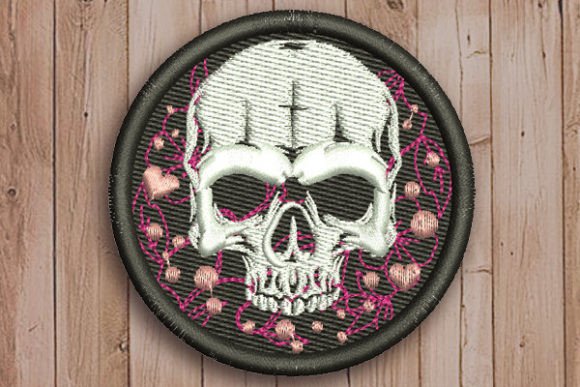
When I first opened the file for Skull in Circle, my initial reaction wasn't about the technical specs, but rather the immediate mood it set. In a sea of generic floral patterns and standard monograms, this design cuts through the noise with a distinct personality. It strikes a balance between spooky and gorgeous, making it a versatile asset for any crafter or small business owner looking to add a touch of edgy elegance to their handmade products. As someone who has stitched thousands of designs for client projects, I know that a design isn't just about how it looks on a screen; it is about how it behaves under the needle and how it feels in the hands of a customer.
The First Stitch: Visual Impact and Design Philosophy
The layout of Skull in Circle is deceptively simple, yet it carries a strong visual weight. The circular motif acts as a natural frame, drawing the eye immediately to the central skull element. This geometric containment makes it incredibly forgiving on various fabric textures, which is a huge plus for designers working with mixed materials. Whether you are aiming for a vintage aesthetic or a modern streetwear look, the design adapts well without losing its core identity. It creates a sense of completion that many other Halloween-themed designs lack, often feeling too scattered or overly busy.
I found the detail level to be just right for machine embroidery. It avoids the trap of over-complicating the stitch work, ensuring that the final product remains crisp even when stitched on smaller items like baby onesies or cap fronts. The "fun" aspect mentioned in the description rings true; it doesn't feel morbid or aggressive, but rather playful and stylish. This makes it an excellent choice for holiday gifts or boutique branding where you want to capture attention without alienating potential buyers who might find traditional horror imagery too intense.
Real-World Application: From Tote Bags to Boutique Merch
Let's talk about putting this design to work in a real scenario. Imagine you are preparing inventory for a local craft fair or updating your Etsy shop for the autumn season. You have a stack of canvas tote bags ready to go. Placing Skull in Circle on the front pocket of a tote bag transforms a basic accessory into a statement piece. The circular shape fits perfectly within the structural lines of a bag pocket, creating a professional finish that suggests careful craftsmanship.
I also tested the concept mentally on a soft cotton sweatshirt. For a custom apparel line targeting teenagers or young adults, this design offers a high perceived value. When stitched with high-quality thread colors, the contrast against a dark heather grey fabric would pop beautifully. It elevates the garment from a plain item to a curated fashion statement. Similarly, for those selling personalized gifts, this design works wonders on aprons or kitchen towels. A chef or home cook receiving a custom embroidered towel with this motif would likely appreciate the blend of utility and style.
For digital product sellers, this is another win. Creating printable mockups of this design on hoodies, pillows, or mugs allows you to showcase the versatility of the embroidery file before a single stitch is made. Customers can visualize the finished product clearly, which boosts buyer engagement and trust. The design's clean lines make it easy to integrate into various marketing assets, ensuring your brand consistency remains sharp across all platforms.
Where to Exercise Caution: Fabric and Hoop Limitations
While Skull in Circle is a robust design, no machine embroidery project is without its challenges. There are specific situations where you need to exercise extra judgment. If you are working with textured fabrics like heavy terry cloth or loose-weave linen, the definition of the skull details might get lost. The density of the stitches could cause the fabric to pucker if not properly stabilized, especially on thin materials.
Stretchy fabrics present another hurdle. While the design is relatively stable, applying it to a stretchy knit without adequate stabilizer support can lead to distortion during washing. The circular border might warp slightly if the tension isn't perfect. Additionally, if you are attempting to stitch this on a curved surface like a baseball cap, you must ensure your hoop size matches the curvature of the hat. Trying to force a large design onto a small hoop or a tight curve can result in misalignment and wasted time.
Dense stitch areas require careful attention to thread breaks. If the design includes intricate fill stitches around the skull, running the machine at full speed without checking thread tension could lead to skipped stitches. For products that need frequent washing, such as aprons or baby clothes, you must verify that the stitching density is sufficient to withstand agitation. Otherwise, the design may fade or fray prematurely, damaging your reputation as a maker of quality goods.
Design Notes for the Professional Maker
Before you commit to a full production run, there are several practical steps every designer should take. First, always test the embroidery design on scrap fabric that mimics your final material. This helps you gauge the actual stitch density and see how the threads interact with the fabric grain. Check the thread color contrast carefully; a black outline on a black background will disappear, while white thread on a light fabric might vanish entirely.
Reviewing the file structure is crucial. Ensure that the satin stitch areas are smooth and that the fill stitch angles are optimized for the fabric type. Confirm the recommended hoop size to avoid cutting off parts of the circle. Inspect small details closely; sometimes, tiny elements in a design can become illegible if the fabric texture is too rough. Testing the design in black and white mockups can also reveal if the composition holds up without relying on color to carry the visual weight.
If you plan to sell finished items, double-check the licensing terms. Some digital embroidery files allow personal use only, while others permit commercial sales of the finished product. Understanding these distinctions protects your craft business from legal issues. Also, consider using a proper stabilizer that matches the weight of your fabric to ensure the finished product lays flat and looks professional.
Final Thoughts on Value and Versatility
Skull in Circle proves itself as more than just a seasonal novelty. It is a functional design asset that can enhance the value of a wide range of handmade products. Its ability to bridge the gap between casual hobbyist projects and serious commercial merchandise makes it a smart investment for creative entrepreneurs. By paying attention to fabric selection, stabilization, and testing, you can ensure that this design delivers the spooky yet gorgeous look it promises.
Whether you are decorating a nursery pillow, creating a unique patch for a denim jacket, or launching a new line of holiday gifts, this design offers a reliable foundation for your creativity. It respects the viewer's intelligence by being stylish rather than gimmicky. For the experienced designer, the appeal lies in its adaptability and the confidence it inspires in the final presentation. When executed correctly, Skull in Circle becomes a signature element that customers recognize and remember, adding a layer of professionalism to your custom apparel or personalized gift offerings.