Prince Boy: A Designer's Review for Real-World Embroidery
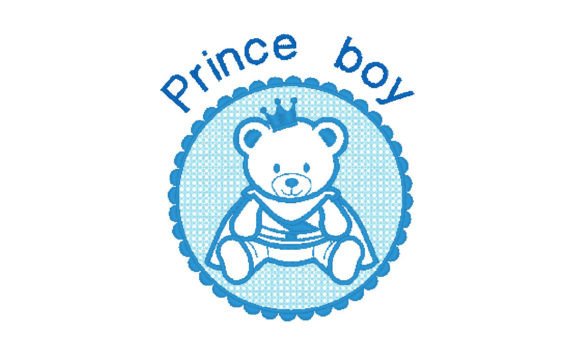
When I first opened the Prince Boy file to evaluate it for a potential client project, my initial reaction was one of immediate warmth. In a sea of generic animal motifs and complex geometric patterns, this design stands out because it feels genuinely character-driven rather than just a collection of stitches. As an experienced designer who reviews embroidery files daily for both personal hobbies and commercial ventures, I am constantly looking for that specific spark—a design that promises not just to sit on fabric, but to elevate the entire product. This lovely prince teddy bear gives your fabrics an extraordinary look, as the description suggests, but the real test lies in how it translates from screen to needle.
The First Impression: Mood and Visual Personality
Prince Boy exudes a charming, storybook quality. The layout is balanced, with a central figure that commands attention without feeling overcrowded. For a designer, the visual personality is crucial; it dictates where the design can live. Unlike some designs that feel stiff or overly rigid, this teddy bear motif has a softness that suggests movement and approachability. It creates a mood of nostalgia and comfort, making it an ideal candidate for nursery decor, baby gifts, or boutique apparel. The shape is distinct enough to be recognizable even at smaller sizes, yet detailed enough to hold interest when stitched larger. It is the kind of design that makes a customer stop scrolling through an Etsy shop because they instantly recognize the emotional connection it offers.
Real-World Application: From Tote Bags to Boutique Goods
I recently considered using Prince Boy for a custom embroidered tote bag intended as a gift for a local children's boutique. My thought process immediately shifted to how the design would interact with the canvas texture. Because the design features a mix of satin stitch for the outline and fill stitch for the body, it should lay down smoothly on a sturdy cotton canvas. However, I also imagined applying this to a sweatshirt for a family matching set. On a softer fleece material, the density of the fill stitches might create a slightly raised, plush effect that enhances the "teddy" theme, making the garment feel more tactile and luxurious.
For small business owners and Etsy sellers, the versatility of this machine embroidery design is a significant asset. It fits seamlessly into categories like personalized gifts, holiday merchandise, and craft fair products. Imagine a set of kitchen towels featuring this prince bear alongside other royal-themed characters; the cohesive branding could drive sales significantly. Similarly, for digital product sellers creating printable mockups, this design offers a strong focal point that looks professional in promotional images. Whether you are creating an embroidered patch for a denim jacket or a delicate accent on a pillow cover, the design's adaptability allows it to serve as a versatile design asset across various product lines.
Navigating Technical Challenges and Fabric Limitations
While Prince Boy is visually appealing, a practical review must address where it requires caution. Not every fabric surface is suitable for every embroidery file. If you plan to use this on thin fabric, such as a lightweight voile shirt, the stabilizer choice becomes critical. Without adequate backing, the pull of the fill stitches could distort the fabric, ruining the clean lines of the prince's crown. Similarly, textured fabrics like bouclé or heavy chenille might hide the finer details of the running stitch elements, making the design appear muddy rather than crisp.
Stretchy fabrics present another hurdle. While the design is robust, placing it on a stretchy knit cap or a loose-fitting t-shirt requires careful hooping and potentially a cut-away stabilizer to prevent puckering after washing. Dark fabrics also demand a strategic approach; if the background is black, the thread colors need to be bright enough to pop, or the design might lose its definition. Furthermore, while the design is excellent for standard hoop sizes, attempting to shrink it down for very small applications, like a tiny lettering tag or a miniature patch, risks losing the intricate details that give the character its personality. In these cases, the dense stitch areas might become too tight, causing the fabric to pucker or the threads to break.
Stitch Density and Clarity
The balance between satin stitch and fill stitch in Prince Boy is generally well-managed, ensuring good stitching clarity. However, designers must always inspect small details before committing to a full production run. If the design includes tiny lettering or minute decorative accents, these areas require high-resolution testing. When evaluating the finished product, the goal is a smooth surface that feels professional, not a bumpy mass of thread. Proper thread colors play a massive role here; selecting the wrong shade can make the design look dull, whereas the right palette can make the teddy bear look vibrant and alive.
Impact on Product Value and Brand Perception
In the world of handmade products and commercial embroidery, the quality of the design directly influences customer trust. A well-executed Prince Boy embroidery adds perceived value to the item. Customers associate neat, precise stitching with high-quality craftsmanship. When a buyer sees a beautifully rendered prince bear on a baby onesie or a custom apron, they perceive the brand as reliable and attentive to detail. This visual appeal is essential for building a loyal customer base for a craft business or a small shop product line.
The design also enhances giftability. A personalized gift featuring this motif feels thoughtful and unique, distinguishing itself from mass-produced items. For creative entrepreneurs, this means higher engagement and better reviews. The "adorable accent" mentioned in the product description is not just marketing fluff; it is a functional selling point that drives emotional purchases. Whether used for wedding gifts, holiday embroidery, or everyday wear, the design helps create a finished product that customers are proud to own and share.
Practical Notes for the Designer
Before integrating Prince Boy into your next project, there are several steps every professional should take. First, always test the design on scrap fabric that matches your final material. This allows you to check thread color contrast and review stitch density under real lighting conditions. Inspect small details closely to ensure nothing is lost during the digitizing process. It is also wise to test it in black and white mockups to see how the shapes hold up without the distraction of color.
Confirm your hoop size capabilities and ensure you have the correct stabilizer ready. If you are planning to sell finished items, double-check the licensing terms associated with the digital embroidery file. Some licenses allow for personal use only, while others permit commercial sales of the finished product. Comparing light and dark fabric backgrounds will help you determine the best thread palette for maximum impact. Finally, remember that while this design is excellent for most applications, verifying the specific file formats and machine compatibility is essential to avoid technical glitches during production.
Ultimately, Prince Boy is a strong addition to any embroidery collection. It offers a blend of charm and professionalism that works well for everything from hobbyist projects to serious commercial endeavors. By understanding its strengths and limitations, designers can leverage this teddy bear motif to create standout products that resonate with their audience.