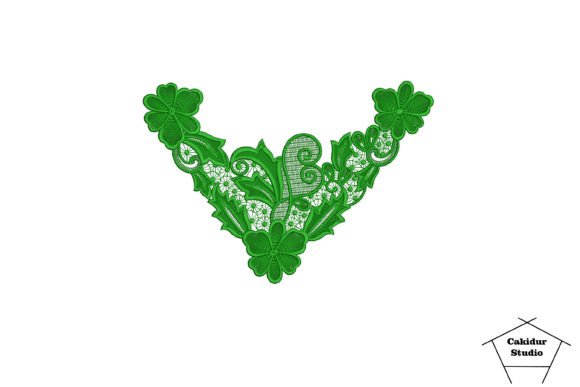
Complicated Green Flowers: A Designer's Review for Craft Fairs
Stepping into a weekend craft fair booth is an exercise in visual storytelling. In the span of three seconds, a customer decides if your handmade product belongs in their cart or on the shelf. As an experienced embroidery designer who has spent countless hours perfecting stitch patterns and managing production schedules, I know that the difference between a slow day and a sold-out booth often comes down to the specific design assets you choose. Recently, I evaluated Complicated Green Flowers, a machine embroidery design categorized under Intricate Cuts, to determine its viability for my upcoming market display. This review breaks down exactly how this pattern performs when transformed into real-world products like tote bags, aprons, and tea towels.
First Impressions: Bold, Botanical, and Premium
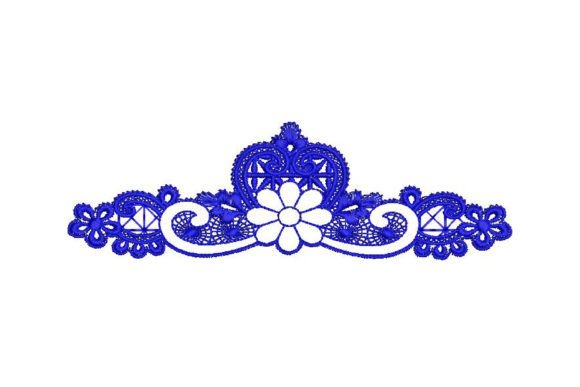
When I first opened the digital embroidery file for Complicated Green Flowers, the immediate feeling was one of lush elegance. The title suggests complexity, and the description promises an "adorable accent" that will make designs look "out of this world." Visually, it strikes a chord with the modern farmhouse aesthetic that dominates current market trends. It feels less like a simple floral motif and more like a premium botanical illustration brought to life with thread. For an Etsy seller or boutique maker looking to elevate their brand, this design offers a sophisticated touch that stands out against minimalist backgrounds. It is not merely cute; it carries a weight of quality that justifies a higher price point for finished goods.
Strategic Product Placement for Maximum Sales
The true test of any embroidery file is its versatility across different mediums. In preparing my table display, I analyzed where Complicated Green Flowers would have the most impact. The intricate nature of the pattern makes it an ideal focal point rather than a subtle background detail. On large canvas tote bag design projects, the green hues pop beautifully against neutral tones, creating a statement piece that draws the eye from across the aisle. Similarly, for apron embroidery, placing this design on the bib area transforms a utilitarian kitchen tool into a fashionable accessory that appeals to home cooks and gardeners alike.
I also considered smaller items like embroidered patches and fabric pouches. Here, the density of the stitches becomes a critical factor. While the design is stunning as a large accent on pillow covers or market bags, scaling it down requires careful consideration. On a small pouch, the details might become too crowded, but on a larger patch, it serves as a high-value collectible. For tea towel embroidery, the design adds a decorative flair that elevates a basic linen item into a giftable handmade product. Whether used for commercial embroidery projects or as a unique addition to a small shop product line, the versatility of this pattern is undeniable.
Photography and Visual Appeal
In the age of online sales, your product photography is just as important as the physical item. Complicated Green Flowers photographs exceptionally well because of its color contrast and textural depth. When set up for a printable mockup or a professional booth photo, the varying shades of green create natural shadows and highlights that give the image dimension. This is crucial for Etsy sellers trying to compete in a saturated market. The design does not look flat; it looks tactile. Customers can almost feel the texture of the thread through the screen, which increases perceived value and encourages impulse buys. The "intricate cuts" category implies a level of detail that translates well into high-resolution images, making it perfect for social media marketing and listing thumbnails.
Production Practicality and Batch Efficiency
From a production standpoint, efficiency is key for any creative entrepreneur. Is this design repeatable? Yes. Once the hooping and stabilizing process is perfected, Complicated Green Flowers can be run in batches without losing consistency. However, there are practical considerations regarding stitch density. Designs with high detail often require more time to complete, which impacts your hourly rate. If you are producing 50 identical aprons for a holiday sale, you must ensure your machine can handle the workload without overheating or causing thread breakage. The design works best as a medium-to-large accent, allowing for efficient use of hoop space while maximizing the visual return on investment.
Careful Use Notes and Potential Pitfalls
While this design is impressive, no single pattern is perfect for every scenario. There are specific conditions where Complicated Green Flowers might lose clarity. If you attempt to embroider this on thick, textured towels, the raised pile of the fabric may obscure the finer details of the flowers. Similarly, on curved surfaces like baseball caps, the complexity of the pattern could result in distortion if the cap curve is too aggressive. Dark fabrics present another challenge; unless you use a high-quality underlay or contrasting thread colors, the green tones may appear muddy rather than vibrant.
Another critical note involves tiny details. If you decide to shrink the design significantly for a small pin or a miniature patch, the individual petals and leaves may merge together, creating a blob of green rather than a distinct flower. Always inspect the stitch density before committing to a full production run. If the design feels too dense for your chosen fabric, consider adjusting the tension or switching to a lighter-weight material to maintain the integrity of the artwork.
Essential Designer Notes for Success
Before turning Complicated Green Flowers into inventory for your booth, follow these professional steps to ensure quality. First, always test the design on scrap fabric that matches your final product. This allows you to check thread contrast and confirm that the hoop size accommodates the full pattern without cutting off edges. Second, review your stabilizer choice; intricate designs often require a cut-away stabilizer to prevent puckering, especially on stretchy knits. Third, create at least one real mockup to see how the design behaves under different lighting conditions.
Finally, do not forget the legal aspects. Confirm the commercial licensing terms associated with the digital embroidery file before selling finished products. Ensure you understand the rights granted for using the design in your commercial embroidery business. By taking these precautions, you protect your reputation and ensure that every item leaving your booth reflects the highest standards of craftsmanship. With the right preparation, Complicated Green Flowers can be the star attraction of your next handmade market, drawing customers in with its beauty and keeping them with its quality.