Stethoscope: A Designer's Review for Boutique Sweatshirts
As an experienced embroidery designer, I spend my days evaluating digital assets to determine if they have the potential to elevate a brand. When I first opened the Stethoscope design file, I didn't just see a medical instrument; I saw an opportunity to create a cohesive collection for healthcare professionals who want to look stylish while on duty. This review is not just about counting stitches or checking file formats; it is about understanding how this machine embroidery design translates from a screen to a premium fabric texture.
I recently simulated placing this design on a limited drop of sweatshirts for a small online boutique. The goal was to see if Stethoscope could serve as a versatile centerpiece for a custom apparel line targeting nurses, doctors, and allied health workers. Here is my honest assessment of how this embroidery file performs in a real-world commercial setting.
The First Impression: Mood and Layout
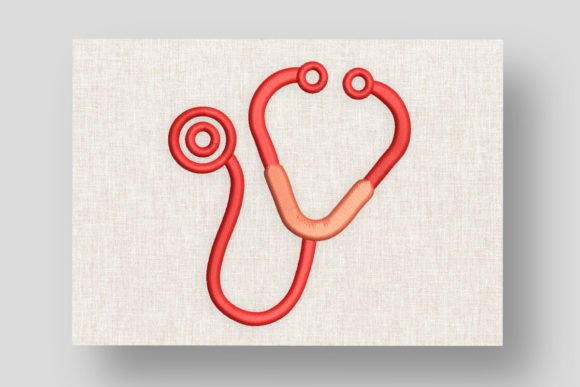
The initial view of the Stethoscope design suggests a blend of professional utility and playful charm. Unlike many rigid medical icons that feel cold or corporate, this design carries a personality that fits perfectly with modern boutique brand aesthetics. It feels approachable, which is crucial when designing for a demographic that spends long hours in high-stress environments.
From a layout perspective, the design strikes a balance between being bold enough to be recognized instantly and minimal enough to avoid overwhelming the wearer. If you are creating a sweatshirt embroidery project, the spacing allows the negative space around the stethoscope to breathe, ensuring the finished product looks clean rather than cluttered. The stitching personality appears soft yet defined, suggesting a design that will hold up well over time without looking stiff.
Fabric Versatility: From Neutral to Pastel
One of the most critical factors for any digital embroidery file is its adaptability across different fabric colors. In my simulation for a cozy seasonal apparel line, I tested Stethoscope against several common sweatshirt palettes.
- Neutral Tones: On heather grey or oatmeal sweatshirts, the design pops with a sophisticated, understated elegance. It feels like a handmade product crafted with care, perfect for a small shop product aimed at professionals who prefer subtle branding.
- Dark Fabrics: Placing the design on navy or black cotton blends creates a striking contrast. However, this requires careful attention to thread colors. Lighter threads will make the details pop, but darker backgrounds demand higher stitch density to ensure the lines don't get lost in the fabric weave.
- Pastel Colors: For a softer, more feminine look, pastel pink or lavender hoodies work beautifully. The design takes on a cute, almost whimsical quality here, making it ideal for nursing school graduations or spring-themed collections.
- Oversized Hoodies: The scale of Stethoscope seems well-suited for oversized silhouettes. It can sit comfortably on the chest without feeling cramped, maintaining its visual integrity even on larger garments.
Placement Strategies for Custom Apparel
When planning a drop for an Etsy seller or a creative entrepreneur, placement is everything. While the traditional left-chest location is safe, Stethoscope offers flexibility that can elevate your commercial embroidery offerings.
For a hoodie design, consider a smaller version on the sleeve cuff or near the hemline for a trendy, asymmetrical look. Alternatively, using the full design on the back of a sweatshirt can create a statement piece that stands out in lifestyle product photography. Imagine a mockup preview showing a nurse wearing an oversized hoodie with the Stethoscope centered on the back, paired with casual jeans—the image sells a lifestyle, not just a garment.
This versatility makes the design asset highly valuable for custom apparel branding. You aren't just selling a shirt; you are offering a way for healthcare workers to express their identity through embroidery.
Technical Considerations for the Studio
Beyond aesthetics, there are practical concerns that every designer must address before hitting the "stitch" button. When working with Stethoscope on thick sweatshirt material, the choice of stabilizer is paramount. A cut-away stabilizer is usually required to support the weight of the design and prevent puckering, especially if the design features dense areas.
Thread color contrast is another vital element. Because the description notes the design is "fun and easy to stitch," it likely utilizes a variety of thread types. Ensure that your chosen thread weights match the intended look; polyester threads often provide a brighter finish for work wear, while rayon might offer a sheen better suited for decorative accents.
Regarding hoop size, always verify the dimensions of the design before production. If the design exceeds standard hoop sizes, you may need to reposition the hoop mid-stitch, which can affect alignment. Additionally, check the stitch density. Too much density on a heavy fabric like fleece can cause the needle to struggle or the fabric to pucker, ruining the finished product. If the design feels too light for commercial use, consider adding a satin border or a subtle background fill to add weight and durability.
Readability and Durability
Small-size readability is a common pitfall in machine embroidery design. If you plan to offer this design on smaller items like caps or scrubs, test the legibility carefully. Fine details can disappear if the design is scaled down too much. For the primary sweatshirt application, the detail level should remain sharp, ensuring that the curves of the stethoscope are clear and distinct.
Washing durability is also key for commercial embroidery. Healthcare professionals wash their uniforms frequently. The design must be robust enough to withstand industrial laundering without fraying or losing definition. A well-executed embroidery file will maintain its crisp edges even after dozens of cycles.
Impact on Brand Identity and Customer Trust
In the world of digital sellers and crafters, the quality of the design directly influences buyer trust. A poorly executed embroidery job can make a boutique brand look amateurish, whereas a precise, high-quality application builds credibility.
Using Stethoscope effectively can significantly boost product value. Customers are willing to pay a premium for items that look professionally made. When a buyer sees a crisp, well-placed design on a soft, high-quality sweatshirt, they perceive the item as a luxury good rather than a mass-produced commodity. This perception fosters customer engagement and encourages repeat business.
Furthermore, the design contributes to visual recognition. By consistently using high-quality designs like this one, a small clothing brand establishes a reputation for excellence. Whether it is featured in an Etsy listing or used for printable mockups, the consistency of the design reinforces the brand's identity as a source of premium, handmade-style apparel.
Final Thoughts on Production Readiness
Before launching this into your production pipeline, remember to double-check the specific technical details provided with the Stethoscope file. Verify the exact stitch count, supported file formats, and recommended hoop sizes. While the design promises to be "fun and easy to stitch," confirming these specifics ensures a smooth workflow.
If you are preparing a limited drop for a small shop product line, Stethoscope is a strong candidate. It balances professionalism with personality, making it suitable for a wide range of healthcare professionals. With the right stabilizer choice, appropriate thread colors, and careful attention to fabric texture, this design has the potential to become a flagship item in your collection.
Ultimately, the success of any embroidery project lies in the details. By treating Stethoscope with the respect it deserves during the digitizing and stitching process, you can create a handmade product that resonates deeply with your audience. Whether you are decorating for a specific event or building a year-round catalog, this design offers the flexibility and charm needed to stand out in a crowded market.