Moroccan Tiles: A Designer’s Review for Merch
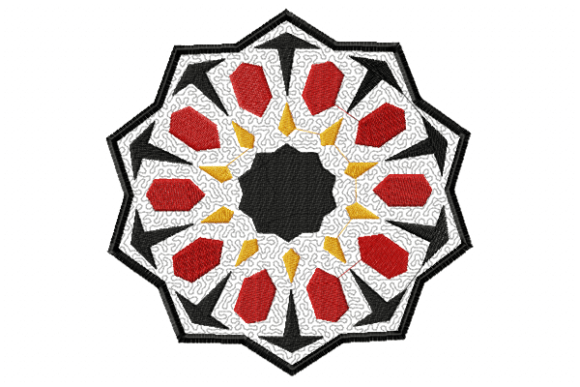
As an experienced embroidery designer, I spend a significant portion of my day evaluating digital assets before they hit the production floor. When reviewing a machine embroidery design for commercial application, I am not just looking at aesthetics; I am calculating stitch efficiency, brand alignment, and durability. Today, we are breaking down the Moroccan Tiles design. While the product description whimsically suggests its use in quilts as a gift, the reality for small business owners is far more strategic. This design has the potential to be a versatile asset for small business merch, branded patches, and custom apparel if handled with technical precision.
First Impressions: Visual Personality and Brand Fit
The name "Moroccan Tiles" immediately evokes a sense of geometric precision, cultural richness, and timeless elegance. In the context of a brand identity, this design feels both premium and approachable. It strikes a balance between being decorative and structured. For a boutique or a creative studio, this aesthetic signals quality. It does not scream for attention like a loud graphic print; instead, it whispers sophistication through pattern and repetition.
When I first visualized this design on various merchandise items, I saw immediate applications beyond simple decoration. The geometric nature of tiles lends itself well to logos that need to be scalable. Whether you are running a local café, a handmade jewelry shop, or a floral studio, the clean lines implied by "tiles" suggest a modern yet classic vibe. It works particularly well for brands that want to convey stability and artistry. However, because the description mentions it is beautiful for gifts, designers must ensure the final output does not look too casual. The goal is to elevate the perceived value of your handmade product.
Real-World Business Applications
For Etsy sellers and merch creators, the versatility of a single embroidery file can make or break a product line. Here is how Moroccan Tiles performs in specific high-demand categories:
- Embroidered Patches: This is perhaps the strongest use case. Geometric patterns translate exceptionally well to patches because the distinct shapes hold up better than intricate, flowing florals when scaled down. You can create cohesive sets of patches for customers to mix and match on denim jackets or tote bags.
- Apron Embroidery: For bakeries, cafes, or craft businesses, an apron is a walking billboard. Placing a subtle tile pattern along the hem or as a chest accent adds a professional touch without overwhelming the wearer. It reinforces visual consistency across your team.
- Cap Embroidery: Caps require designs that are compact and bold. If the tile pattern allows for a concentrated center placement, it can serve as a unique alternative to standard text-based logos. It offers a textured look that stands out in photos, boosting buyer engagement on social media.
- Tote Bag Design: Canvas totes are staples for custom apparel accessories. A tiled pattern can cover a large area effectively, turning a plain bag into a statement piece. This is ideal for event merch or customer loyalty rewards.
- Product Packaging Accents: Beyond clothing, consider using this design on fabric tags attached to your products. It adds a tactile element to unboxing experiences, enhancing the feeling of a finished product that was crafted with care.
Strategic Placement and Limitations
While the design is promising, an honest review requires acknowledging where it might fail. Embroidery is unforgiving of poor planning. There are several scenarios where Moroccan Tiles should be used with extreme caution:
- Small Patch Sizes: If you attempt to digitize this for a patch smaller than 2 inches, the details may merge into a blob. Always check if the design holds up at your intended scale. Tiny lettering or thin outlines within the tile pattern will likely disappear.
- Curved Surfaces: Applying complex geometric patterns to curved surfaces like the front of a cap can cause distortion. The rigid lines of a tile design may warp if the hoop tension is not perfect or if the fabric stretches.
- High Stitch Density: Geometric fills often require dense stitching to avoid showing the fabric underneath. On lightweight fabrics, this can cause puckering. Ensure you are using the correct stabilizer to support the weight of the thread.
- Dark Uniforms: Contrast is key. If your uniforms are dark navy or black, ensure the thread colors chosen for the tiles provide enough visibility. Low-contrast threads will make the design invisible during the workday.
- Frequent Washing: For staff uniforms or aprons that undergo industrial laundering, dense geometric stitches can trap lint or wear down faster than smooth satin stitches. Test durability before committing to a full fleet order.
Impact on Brand Identity and Customer Trust
In the world of commercial embroidery, every detail contributes to how customers perceive your professionalism. A well-executed Moroccan Tiles design signals that you pay attention to detail. It suggests that your brand values heritage and craftsmanship. This subconscious association builds customer trust. When a customer sees a consistent, high-quality embroidered logo on a tote bag or cap, they perceive the entire brand as more established and reliable.
Furthermore, unique design assets help you stand out in a saturated market. By avoiding generic clip-art styles and opting for a structured, tile-inspired motif, you differentiate your design assets from competitors. This uniqueness fosters brand recognition. Over time, customers will associate that specific geometric pattern with your quality standards, creating a lasting visual memory.
Practical Designer Notes for Production
Before sending any orders to production, follow these essential steps to ensure success:
- Test in Black and White: Convert the design to monochrome to check contrast and spacing. If it doesn’t read clearly in grayscale, it won’t work in color.
- Review Thread Color Contrast: Select thread colors that pop against your target fabric. Don’t rely on the digital preview alone; physical thread samples vary significantly from screen colors.
- Inspect Spacing and Hoop Size: Confirm the hoop size accommodates the design without unnecessary trimming. Excessive trimming increases production time and cost.
- Test on Real Fabric: Never skip the test run. Different fabric textures react differently to stitch density. A design that looks perfect on cotton may bunch up on polyester blends.
- Create a Printable Mockup: Use a printable mockup to show clients or stakeholders how the design looks on the actual product. This manages expectations and prevents costly revisions.
- Confirm Commercial Licensing: Most importantly, verify that you have the right to use this digital embroidery file for resale. Check the license terms carefully to avoid legal issues.
In conclusion, Moroccan Tiles is more than just a quilt-friendly pattern; it is a robust tool for product designers and crafters looking to elevate their offerings. With careful execution and strategic placement, this design can enhance your small business merch lineup, driving sales and strengthening your brand presence. Just remember: always prioritize technical integrity over aesthetic assumptions.