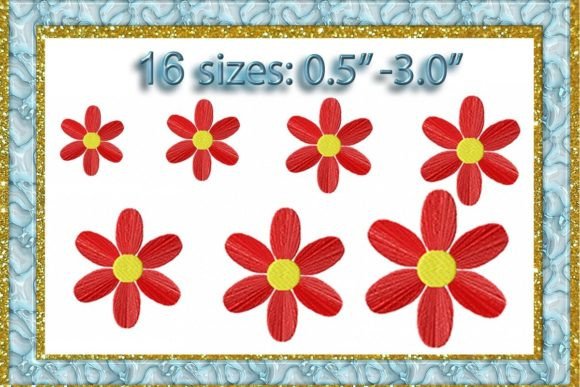
Tiny Flower: A Designer's Review for Small Business Merch
As an experienced embroidery designer who has spent years crafting assets for everything from boutique labels to corporate uniforms, I approach every new design with a critical eye. When evaluating Tiny Flower, my primary focus is not just on aesthetics, but on its viability as a commercial asset. This machine embroidery design promises freshness and cuteness, traits that are highly sought after in the current market for handmade brands and local businesses. But does it hold up under the scrutiny of production? In this review, I will dissect how this single flower design performs when applied to real-world small business merch, branded patches, and custom apparel.
First Impressions: The Personality of Tiny Flower
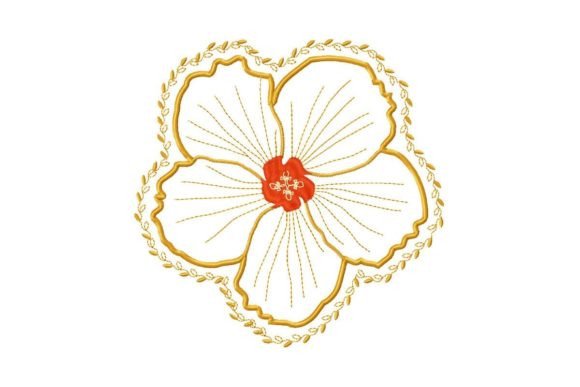
The title "Tiny Flower" immediately suggests scale and delicacy. For a brand identity, this is a double-edged sword. On one hand, it evokes a sense of approachability, warmth, and organic charm. It feels friendly rather than corporate or rigid. If you run a florist shop, a bakery, or a creative studio, this design aligns perfectly with a visual language that values nature and craftsmanship. However, the descriptor "tiny" requires careful consideration regarding stitch density and visibility. In the world of digital embroidery files, small designs can easily lose definition if the stitch count is too low or the spacing is too tight. From a professional standpoint, Tiny Flower strikes a balance between being decorative and functional, making it suitable for subtle branding where a large logo might feel overwhelming.
Real-World Applications for Small Business Merch
The true test of any embroidery file lies in its versatility across different product types. Based on the description emphasizing multiple formats, Tiny Flower appears designed for high adaptability. Here is how I envision this design integrating into various business sectors:
- Embroidered Patches: One of the most popular uses for compact designs like this is creating sew-on or iron-on patches. A tiny flower works exceptionally well as a patch for the sleeve of a denim jacket or the cuff of a work shirt. It adds a personalized touch without dominating the garment. For a pet brand or a craft business, these patches serve as excellent customer gifts or loyalty rewards.
- Caps and Headwear: Cap embroidery often suffers from distortion due to the curved surface. A simple floral motif like Tiny Flower is ideal here because it minimizes the risk of thread bunching. Placed on the front panel or the side of a cap, it acts as a subtle accent that elevates staff uniforms or promotional hats.
- Aprons and Work Shirts: For coffee shops, bakeries, or boutiques, apron embroidery is a staple. While a full chest logo is common, a tiny flower placed near the pocket or on the strap offers a unique branding opportunity. It signals attention to detail and care, which resonates with customers who value handmade products.
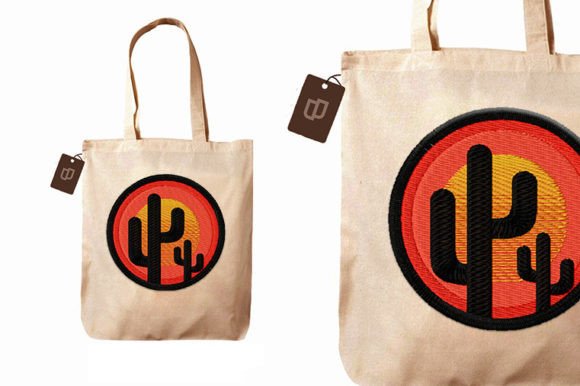
- Tote Bag Design: Tote bags are mobile billboards. A small, concentrated design like this ensures that the embroidery remains crisp even after repeated washing. It creates a clean, modern look that fits well alongside text-based slogans or larger graphic elements.
- Product Packaging Accents: Beyond clothing, this design can be used on fabric tags attached to finished goods. A tiny flower on a hangtag adds a premium feel to the unboxing experience, reinforcing the value of the item inside.
Strategic Considerations for Commercial Embroidery
While the potential is high, there are specific areas where Tiny Flower requires caution. As a designer, I always advise clients to test their designs before mass production. The following scenarios demand extra attention:
- Small Patch Sizes: If you plan to create a patch smaller than two inches, the intricate details of the flower may get lost. High stitch density is necessary to define the petals, but too much density can cause the fabric to pucker, especially on lightweight materials.
- Curved Surfaces: Embroidering on caps or rounded tote handles can stretch the fabric. You must ensure the hoop size matches the curvature of the item to prevent distortion. If the design is too complex for the available space, the final product will look messy rather than polished.
- Dark Uniforms and Fabric Texture: The description mentions adding freshness, which implies light colors. On dark fabrics, the thread colors need to be vibrant enough to stand out against the background. Additionally, textured fabrics like heavy canvas or fleece can obscure fine lines. Always test on the actual fabric texture you intend to use.
- Frequent Washing: For items like aprons or work shirts that undergo industrial laundering, the stability of the design is crucial. Tight stitching is required to prevent fraying, but this increases the risk of fabric damage if not balanced correctly.
Impact on Brand Identity and Customer Trust
In the era of e-commerce and Etsy selling, visual consistency is paramount. A well-executed embroidered patch or logo builds trust. Customers associate quality stitching with quality products. When Tiny Flower is executed correctly, it conveys professionalism and a dedication to the craft. It transforms a generic item into a branded asset. Conversely, a poorly digitized version can look cheap, potentially harming the perceived value of your merchandise. By using a design that is optimized for commercial embroidery, you signal to your audience that you care about the details, which directly influences buyer engagement and repeat purchases.
Practical Designer Notes for Production
Before you commit to ordering hundreds of embroidered patches or printing mockups for client approval, follow these essential steps to ensure success:
- Test in Black and White: Convert the design to grayscale first. This helps you see if the contrast between the stitches and the background is sufficient without relying on color perception.
- Check Thread Color Contrast: Ensure the selected thread colors pop against your chosen fabric. Light flowers on light backgrounds often fail unless the stitch density is varied to create texture.
- Inspect Spacing and Hoop Size: Verify that the design fits within your intended hoop size. If the design is too close to the edge of the hoop, it may shift during stitching. Confirm the dimensions match your target product.
- Use Proper Stabilizer: The choice of stabilizer is critical for small designs. A tear-away or cut-away stabilizer should be selected based on the fabric weight to prevent puckering and maintain the shape of the flower.
- Create a Printable Mockup: Before running the machine, generate a printable mockup to visualize the design on the final product. This allows for client approval and helps catch sizing errors early.
- Confirm Commercial Licensing: Since this is for small business use, double-check the license terms of the digital embroidery file. Ensure you have the right to use the design on merchandise for resale.
Ultimately, Tiny Flower represents a versatile tool in the arsenal of any embroidery enthusiast or business owner. Whether you are looking to add a finishing touch to a handmade product label or create a cohesive line of staff uniforms, this design offers the potential for significant impact. By paying attention to the technical nuances of stitch density, fabric texture, and proper stabilization, you can turn this simple floral motif into a powerful element of your brand identity. For those seeking to elevate their custom apparel and branded accessories, Tiny Flower is a promising candidate, provided it is treated with the professional care it deserves.