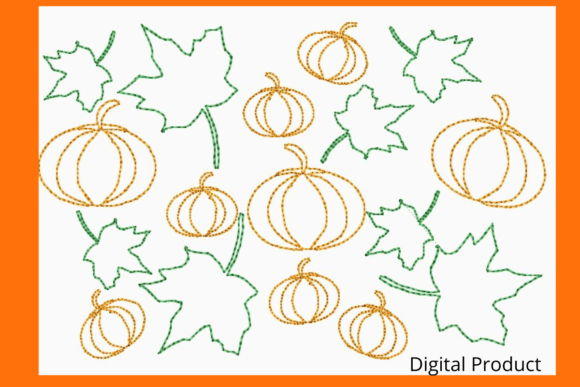
Pumpkins and Leaves Machine Quilting Review
As an experienced embroidery designer who has spent countless weekends setting up booths at local craft fairs, I know that the difference between a design that gathers dust and one that sells out often comes down to visual impact and practical application. When I first encountered Pumpkins and Leaves Machine Quilting, my immediate thought was not just about the aesthetic appeal, but how this specific embroidery file would translate into a tangible craft fair product. The title itself suggests a robust, traditional feel, hinting at a design that is perfect for the cozy, rustic atmosphere of the autumn season.
The description invites you to use these motifs for Autumn decoration, suggesting versatility as either a quilt design over patchwork or a standalone motif on plain fabric. This dual nature is exactly what makes a machine embroidery design valuable for a boutique maker or an Etsy seller looking to expand their inventory. In this review, I will break down how Pumpkins and Leaves Machine Quilting performs when turned into physical goods, from kitchen essentials to wearable accessories, based on real-world production experience.
First Impressions: Farmhouse Charm Meets Market Appeal
When evaluating any new digital embroidery file, the first step is understanding its mood. Pumpkins and Leaves Machine Quilting exudes a warm, farmhouse aesthetic. It feels festive yet grounded, avoiding the overly cute or cartoonish styles that can sometimes look cheap in person. Instead, it offers a decorative quality that suggests handmade quality and premium craftsmanship. For a handmade shop owner, this is crucial; customers at a craft fair want items that look like they were crafted with care, not mass-produced in a factory.
The design likely features bold shapes and organic lines that mimic the texture of quilting stitches. This gives it a tactile depth that photographs beautifully for online listings. Whether you are creating a printable mockup for your website or displaying a physical sample on a booth table, the design stands out as a focal point. It strikes a balance between being minimal enough to fit on small items and detailed enough to command attention on larger pieces.
Product Potential: Where Pumpkins and Leaves Shine
The true test of an embroidery design is its versatility across different mediums. Based on the description, Pumpkins and Leaves Machine Quilting is highly adaptable. Here is how it translates to specific small shop products:
- Tote Bags and Market Bags: A large, repeating pattern of pumpkins and leaves looks stunning on canvas tote bags. It serves as a perfect tote bag design for the fall season, offering a sturdy and stylish accessory that shoppers will love carrying home.
- Aprons and Tea Towels: Kitchen textiles are best-sellers at craft fairs. On an apron, this design can be placed centrally or along the bib, while on a tea towel, it creates an inviting tea towel embroidery piece that fits perfectly in a modern farmhouse kitchen. The quilting effect adds a layer of sophistication to these utilitarian items.
- Pillow Covers and Home Decor: For commercial embroidery projects, pillow covers allow for larger hoop sizes where the intricate details of the leaves and pumpkins can really breathe. This elevates the perceived value of the item, making it a high-margin finished product.
- Caps and Embroidered Patches: If the design includes a concentrated center, it could work well as an embroidered patch for denim jackets or caps. However, this requires careful consideration of the curve and size limitations.
- Fabric Pouches and Gifts: Small zippered pouches or gift sets featuring this design make excellent low-cost impulse buys. They are easy to produce in batches and offer a great entry point for customers browsing your booth.
Production Practicality and Visual Impact
For a creative entrepreneur, efficiency is key. Pumpkins and Leaves Machine Quilting appears to have a structure that supports batch production. The "quilting" aspect suggests fill stitches that cover area efficiently, which can speed up the hooping and stitching process compared to designs with thousands of tiny satin stitches. This is vital for meeting demand during peak holiday seasons.
Photographically, the design should perform exceptionally well. The contrast between the pumpkin shapes and leafy vines creates natural visual interest. When listing this as a craft fair product online, high-quality photos of the stitch density against different fabrics will help buyers visualize the final result. The design feels repeatable, allowing you to create a cohesive collection of matching items, which strengthens brand consistency.
Crucial Considerations for Production Success
While the potential is high, there are practical hurdles every embroidery business owner must address before turning this design into a revenue stream. Understanding the technical constraints ensures your handmade product maintains its quality.
Stitch Density and Detail: Designs with dense stitch areas can sometimes lose clarity if the thread count is too high or if the fabric is too thin. You must inspect the stitch density to ensure the leaves and pumpkin outlines remain distinct. If the design relies on tiny details, it may not hold up well on textured towels or thick fabrics without proper stabilization.
Fabric and Thread Choices: The success of Pumpkins and Leaves Machine Quilting depends heavily on thread colors and fabric selection. Light fabrics will make the design pop, while dark fabrics require high-contrast threads to avoid a muddy appearance. Always check the hoop size requirements relative to your intended product dimensions. A design meant for a large pillow might need resizing to fit a cap or a small pouch.
Surface Limitations: Curved surfaces like caps can distort complex patterns. Before committing to a full run of caps, test the design on a flat surface first. Similarly, textured fabrics like terry cloth towels can swallow fine details, so a smooth backing or a lighter weight fabric might be necessary for the best result.
Designer's Checklist for Launching Your Collection
To ensure your launch of Pumpkins and Leaves Machine Quilting products is successful, follow these professional steps:
- Test on Scrap Fabric: Never start production without testing the design on scrap material similar to your final product. Check for puckering and thread breaks.
- Review Spacing and Stabilizer: Ensure the spacing allows for adequate stabilizer support. Using the right stabilizer is non-negotiable for maintaining the shape of the pumpkins and leaves.
- Create Real Mockups: Don't rely solely on digital images. Create at least one real mockup to photograph. This helps you spot issues with color contrast or scale that aren't visible on screen.
- Confirm Commercial Licensing: Before selling finished products, verify the commercial embroidery license terms. Some design assets allow personal use only, while others permit resale. Clear licensing protects your business.
- Compare Fabric Colors: Test the design on at least three different fabric colors to determine which provides the highest visual appeal and sales potential.
By approaching Pumpkins and Leaves Machine Quilting with a strategic mindset, you can transform a simple embroidery file into a line of profitable handmade gifts and market favorites. Whether you are an Etsy seller expanding your catalog or a booth exhibitor looking to capture the autumn spirit, this design offers a strong foundation for building customer engagement and driving sales.