Number 2 Cute Hippo Review for Real Projects
I have spent years reviewing digital assets for my own boutique line and for clients who run high-volume embroidery shops. When I first opened the file for Number 2 Cute Hippo, I didn't just see a cute animal; I saw a specific workflow challenge and opportunity. This is not your standard, heavy-duty commercial logo. It is a sketch-style design that demands a different approach to digitizing and stitching. If you are an Etsy seller or a small business owner looking to add a touch of whimsy to your inventory, here is exactly how this design performs when moved from the screen to the fabric.
The First Impression: Sketch Style and Mood
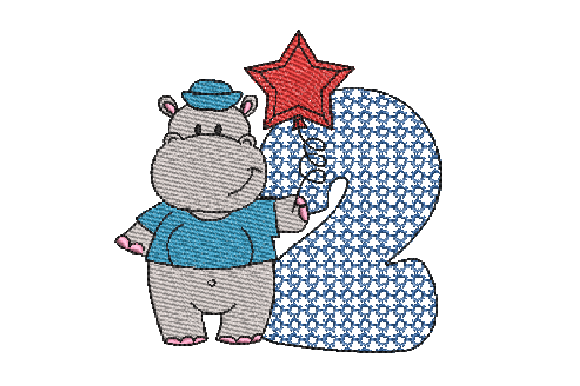
The moment you look at the preview, the defining characteristic of Number 2 Cute Hippo is its hand-drawn aesthetic. It avoids the rigid, blocky look of many vector-based machine embroidery designs. Instead, it mimics the organic flow of a pencil or marker stroke. For a designer, this creates an immediate emotional connection. It feels personal, imperfect in a charming way, and highly suitable for the "handmade" market where buyers pay a premium for uniqueness.
The description notes that it is lightly filled with no or little underlay. In practical terms, this means the design relies on the visual weight of the outline rather than heavy fill stitches. This gives the hippo a light, airy feel that works exceptionally well on soft fabrics like baby blankets or linen tote bags. However, it also signals that this is not a design meant for extreme durability on workwear. The vibe is cozy, nursery-friendly, and perfect for gifts. It screams "Baby Animals" category without needing to be loud about it.
Real-World Application: A Case Study
Let me walk you through a scenario I recently considered for a client. We were preparing a custom order for a local maternity boutique. They needed a design for personalized baby onesies and a matching set of nursery wall hangings. They wanted something that looked artisanal but was quick to stitch so they could fulfill rush orders during the holiday season.
I pulled up Number 2 Cute Hippo as a candidate. The logic was sound: the sketch style would look great on pastel cotton, and the minimal underlay would reduce puckering on thin jersey knit. But before hitting the start button, I had to think about the end result. Would the "no or little underlay" instruction hold up on a stretchy onesie? The answer is yes, provided the hoop size and stabilizer choice are precise. The design is described as quick to stitch out with a major impact, which is exactly what a busy shop owner needs. Unlike complex realistic portraits that take forty minutes to stitch, this design allows for higher throughput while maintaining a high-end, custom look.
Imagine placing this on a canvas tote bag for a craft fair. The sketch lines allow the texture of the canvas to peek through slightly, creating a layered effect that looks expensive. On a sweatshirt, the light fill prevents the fabric from becoming stiff around the neckline or pocket area. It is versatile enough to be a standalone patch or part of a larger composition, though the product details explicitly state that resizing or altering the design is not recommended. This constraint is crucial; if you stretch the hippo to fit a specific hat curve, the hand-drawn lines will distort, losing that delicate, sketched charm.
Where to Use (and Where to Hesitate)
While Number 2 Cute Hippo is a strong contender for many projects, a professional designer knows that every design has its limits. This particular piece shines in specific environments:
- Baby Embroidery: The gentle lines and soft theme make it ideal for baby clothes, bibs, and nursery decor. It fits perfectly into the "Baby Animals" niche without feeling cluttered.
- Tote Bag Design: The lightweight nature of the stitches ensures the bag remains flexible. Heavy fills can make canvas stiff and uncomfortable to carry over the shoulder.
- Holiday Gifts: Its whimsical nature makes it a hit for Christmas stockings or Easter baskets. It adds a touch of personality that generic logos lack.
- Small Shop Product: For sellers on platforms like Etsy, this design offers a unique selling point. It looks like a custom illustration, which increases perceived value compared to mass-produced templates.
However, there are areas where caution is required. Do not attempt to use this on dark fabric without a significant change in thread colors or a heavy backing strategy. The sketch style often relies on negative space, which gets lost on black denim or navy polyester. Additionally, avoid using this on textured fabrics like heavy terry cloth or boucle unless you are prepared for the fine lines to get swallowed by the pile.
Another critical consideration is the hoop size. Since the design is likely optimized for a specific layout, shrinking it down too much for a cap or a small pocket might cause the tiny details of the sketch to merge together. If the lines are too close, the satin stitch may bleed, ruining the hand-drawn illusion. Always verify the minimum safe stitch count before committing to a small project.
Visual Appeal and Customer Trust
In the world of handmade products, presentation is everything. Customers buying embroidered goods are often looking for quality and attention to detail. Number 2 Cute Hippo delivers on both fronts when executed correctly. The lack of dense underlay reduces the risk of the fabric pulling or warping, which is a common complaint with poorly digitized designs. When a customer receives a garment where the embroidery sits flat and smooth, their trust in your brand increases immediately.
The design's "quick to stitch" nature also impacts your bottom line. Faster production times mean lower labor costs and the ability to take on more custom orders. For a creative entrepreneur, this efficiency is just as valuable as the artistic merit. It allows you to focus on marketing and customer service rather than waiting hours for a single shirt to finish.
Practical Designer Notes for Success
If you decide to integrate this embroidery file into your workflow, follow these steps to ensure a professional finished product:
- Test on Scrap Fabric: Never go straight to the final product. Stitch the design on a scrap of the same material you plan to use. Check how the running stitch and satin stitch interact with the fabric grain.
- Check Thread Color Contrast: Because the design is lightly filled, the thread color against the background is vital. High contrast usually works best for sketch styles to maintain clarity.
- Inspect Small Details: Zoom in on your digitizing software. Ensure the corners of the hippo and any text elements are distinct. If the design includes tiny lettering, confirm it won't become unreadable after washing.
- Use Proper Stabilizer: Even with little underlay, the right stabilizer is non-negotiable. For stretchy fabrics, a cut-away stabilizer is often necessary to prevent distortion over time.
- Review License Terms: Before selling finished items, double-check the licensing agreement. Some digital embroidery files restrict commercial use or require a specific number of units sold.
- Create Mockups: Before listing the item, generate a printable mockup. Seeing the design in black and white can help you judge the density and balance better than a colored preview.
Number 2 Cute Hippo is a thoughtful addition to any library of design assets. It respects the artistry of hand-drawing while offering the efficiency of machine production. Whether you are making a one-off gift for a friend or building a catalog of custom apparel, this design provides a solid foundation for success. Just remember to respect its limitations regarding resizing and fabric type, and you will create pieces that customers love to wear and cherish for years.