ITH Collar Lace FSL Review
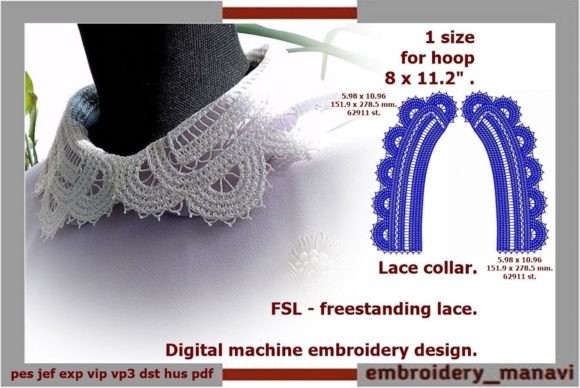
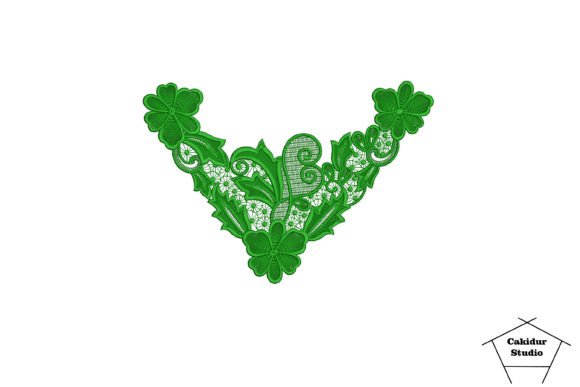
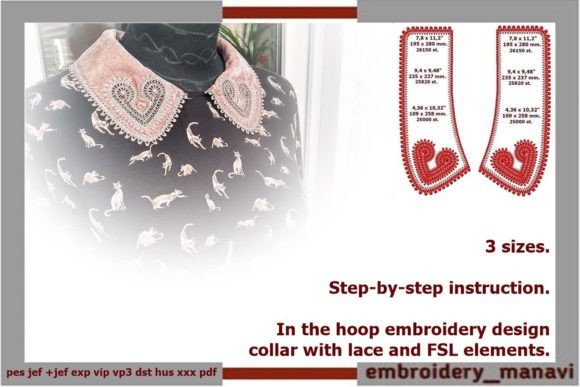
As an embroidery designer who has spent years translating digital concepts into tangible brand assets, I approach every new machine embroidery design with a critical eye. We aren't just making pretty things; we are building brand identity and ensuring that every stitch contributes to the perceived value of a product. Today, I am reviewing the ITH Collar Lace FSL, a specialized file that promises elegance through its in-the-hoop construction and free-standing lace (FSL) elements.
This review is tailored for small business owners, embroidery shops, apparel decorators, and Etsy sellers who are looking to expand their catalog with high-end, delicate accessories. Whether you are creating custom aprons for a boutique bakery or branded tote bags for a creative studio, understanding how this design performs in a commercial setting is crucial.
First Impressions: Elegance Meets Functionality
The title ITH Collar Lace FSL immediately suggests a piece that is both structural and decorative. From a design perspective, the combination of a collar shape with lace detailing evokes feelings of sophistication, femininity, and classic style. It feels premium rather than playful, making it ideal for businesses aiming for a refined aesthetic.
However, the description highlights a critical technical requirement: "There has to be very good water-soluble stabilization." This is not just a tip; it is a mandate for success. For a small business owner, this means your production process must account for specific materials. The design relies on the stability of the fabric during stitching to maintain its shape once the soluble support is washed away. If your shop lacks experience with water-soluble stabilizers, this design may present a steep learning curve.
Real-World Business Applications
Where does ITH Collar Lace FSL fit into a modern merchandise lineup? Because it is an In-The-Hoop (ITH) design, it creates a finished edge without manual trimming, which saves labor time—a key factor in profitability. Here is how this embroidery file can transform various products:
- Staff Uniforms and Aprons: For a café or florist, this collar can serve as a unique chest accent on a white blouse or a black apron. It adds a touch of personality to staff attire, enhancing customer trust through a polished, professional look.
- Boutique Merchandise: Imagine selling this as a standalone accessory. A finished lace collar can be packaged beautifully as a gift set for women, aligning perfectly with handmade brands that focus on quality over quantity.
- Caps and Headwear: While traditionally a collar, the intricate lace pattern could work as a large, detailed patch on the front of a structured cap. However, curvature must be considered here.
- Tote Bag Design: Attached to the side seam or center front of a canvas tote, this design acts as a focal point. It elevates a basic bag into a statement piece, increasing the perceived value of the small business merch.
- Product Packaging Accents: Use it as a decorative label sewn onto garment tags or packaging inserts. It signals attention to detail before the customer even uses the main product.
Strategic Placement and Risk Areas
Not every application is suitable. As a designer, I advise caution in the following scenarios to protect your reputation and minimize waste:
- Small Patch Sizes: Lace details are inherently fine. If you attempt to digitize or embroider this at a very small scale (under 2 inches), the delicate threads may clump together, losing the airy lace effect. Always test at your target size first.
- Curved Surfaces: Embroidering flat lace structures onto highly curved items like baseball caps can result in distortion. The tension might pull the lace unevenly. Stick to flat surfaces like tote bags or shirt fronts for best results.
- High Stitch Density: Check the density of the solid parts of the collar. If the density is too high, the fabric may pucker, especially on lightweight materials. Conversely, if the lace is too sparse, it may lack durability.
- Frequent Washing: Water-soluble stabilizer residues can sometimes remain if not rinsed thoroughly. For items like aprons that will see heavy use, ensure your post-production washing protocol is robust.
- Dark Uniforms: Contrast is key. On dark fabrics, light thread colors are essential to make the lace visible. Ensure your thread colors provide enough contrast against the base material.
Impact on Brand Identity and Customer Trust
Using a design like ITH Collar Lace FSL sends a message about your brand. It says you value craftsmanship and aesthetics. When customers see intricate, well-executed embroidery, they associate that quality with the rest of your products. This visual consistency builds recognition.
Furthermore, because this is a handmade product element, it appeals to the growing market of consumers who prefer unique, artisanal goods over mass-produced items. It enhances buyer engagement by offering something that feels personal and exclusive. However, if the execution is poor—such as loose threads or misaligned stitches—the negative impact on brand identity can be severe. Consistency is paramount.
Practical Designer Notes for Production
Before adding this to your design assets library, follow these steps to ensure commercial viability:
- Test in Black and White: Before committing to expensive specialty threads, run a test using standard black and white polyester. This helps you evaluate the stitch structure and spacing without color distractions.
- Check Hoop Size: Verify the required hoop dimensions. Ensure it fits within your machine’s maximum capacity and allows for efficient nesting if you are producing multiple units.
- Inspect Spacing: Look closely at the transition between the solid collar base and the lace elements. Gaps that are too wide may look unfinished; gaps that are too narrow may cause threading issues.
- Confirm Commercial Licensing: Most digital files come with specific usage rights. Do not assume you can resell unlimited quantities. Confirm the license terms before listing this on Etsy or your website.
- Create a Printable Mockup: Before cutting fabric, generate a printable mockup. Show this to potential clients or use it for marketing teasers. It helps gauge interest without risking material costs.
- Use Proper Stabilizer: Invest in high-quality water-soluble mesh or film. Cheap stabilizers can dissolve too quickly or leave sticky residues, ruining the finished product.
- Test on Real Fabric: Cotton behaves differently than linen or synthetic blends. Always stitch on the actual fabric you plan to sell to check for puckering and drape.
Final Verdict
The ITH Collar Lace FSL is a sophisticated addition to any commercial embroidery repertoire. It offers a unique blend of utility and beauty, perfect for brands that want to stand out. While it requires careful handling regarding stabilizers and sizing, the payoff in terms of product differentiation is significant.
For small business owners, this design is more than just an embroidered patch; it is a tool for storytelling. It tells your customers that you care about the details. Just remember to respect the technical limitations, test rigorously, and always prioritize quality control. If done right, this design can become a signature element of your brand’s visual language.
Ensure you check the specific file format and stitch count provided by the creator, as these details dictate your machine settings and production speed. With proper preparation, ITH Collar Lace FSL can elevate your custom apparel offerings from ordinary to extraordinary.