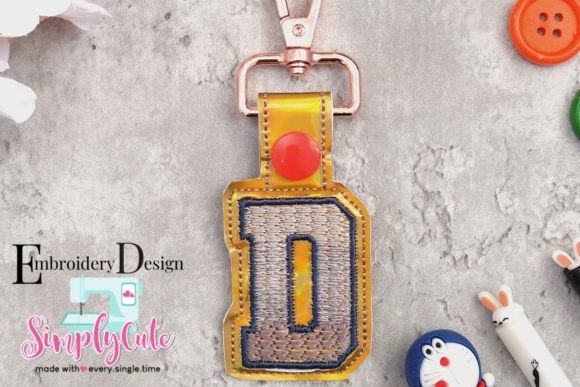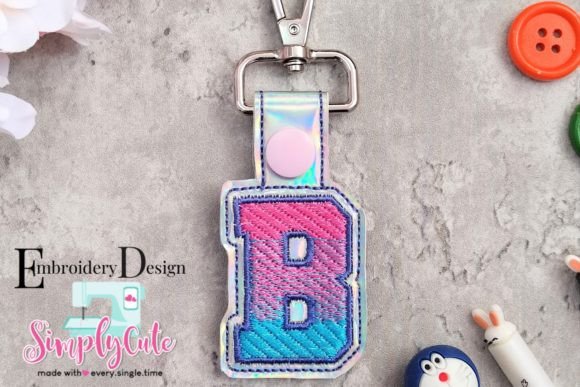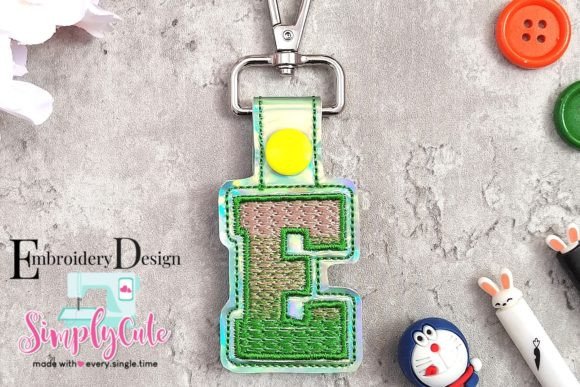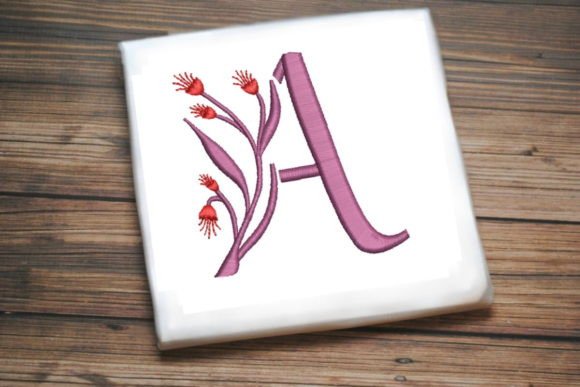
In the Hoop Key Fob Monogram Font C Review
When I first opened the files for In the Hoop Key Fob Monogram Font C, I wasn't looking at a simple digital download. As someone who has spent years turning embroidery designs into tangible, sellable products, my eyes immediately went to the practical application. This isn't just about how the letters look on a screen; it is about how they hold up when stitched onto fabric, held in a hand, or given as a gift. The initial mood this design creates is one of modern simplicity mixed with classic charm. It feels like something that belongs in a boutique shop window rather than a generic craft fair booth.
The layout suggests a product designed for high perceived value with relatively low production time. In the world of handmade goods, efficiency matters, but so does the final presentation. In the Hoop Key Fob Monogram Font C promises a finished piece that looks professional right out of the hoop, which is exactly what busy makers need. However, before we get to the sales pitch, we have to talk about the reality of stitching this design. Does it translate well from the computer to the garment? Let's walk through a real scenario where this design could shine or struggle.
From Digital File to Finished Product: A Real-World Test
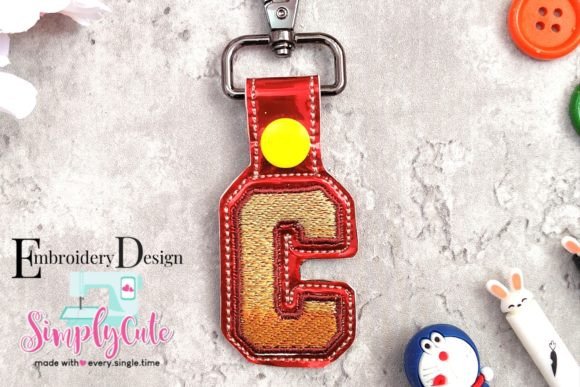
Imagine you are preparing for a holiday market season. You have orders coming in for personalized gifts, and you need items that feel special but can be produced quickly. You decide to create a custom key fob line using In the Hoop Key Fob Monogram Font C. Your plan is to attach these to leather straps or woven ribbons and sell them as add-ons to larger purchases, like tote bags or baby blankets.
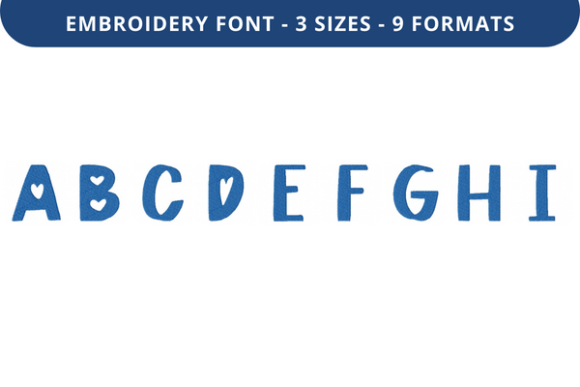
Here is where the design truly gets tested. When I run a test stitch with this specific monogram font, the first thing I notice is the balance between the lettering and the surrounding structure. For a key fob, space is premium. If the font is too wide, it will crowd the edges of the fob, making the attachment point difficult. If it is too thin, the detail might get lost in the stitching process. Based on my experience with similar machine embroidery designs, In the Hoop Key Fob Monogram Font C appears to strike a good balance, offering enough visual weight to be legible without overwhelming the small canvas of a key fob.
The visual appeal of this design extends beyond just the letters. It sets a tone for your entire brand. If you are an Etsy seller or a small business owner, consistency is key. A sloppy or overly complex design can make a customer question the quality of your other work. This font offers a clean, crisp aesthetic that builds trust. It tells the buyer, "I paid attention to the details." That subtle message can significantly impact buyer engagement and the likelihood of repeat customers.
Where This Design Fits Best
This design is not a one-size-fits-all solution, but it excels in specific categories. It is perfect for creating personalized gifts for weddings, bridal showers, or baby arrivals. The key fob format allows for easy customization, whether it is a couple's initials or a new baby's name. For those selling commercial embroidery projects, this is a versatile asset. You can use it to create branded merchandise for local businesses, such as key tags for restaurants or boutiques.
- Custom Apparel: While primarily a key fob design, the aesthetic works well if adapted for smaller apparel accents, like a pocket patch on a sweatshirt or a sleeve detail on a child's outfit.
- Baby Items: The soft, rounded nature of many monogram fonts makes them ideal for baby clothes, burp cloths, or nursery decor.
- Holiday Embroidery: During the festive season, these key fobs serve as excellent stocking stuffers or teacher appreciation gifts.
- Craft Business: For hobbyists and professional designers alike, this design reduces the labor time required to finish a project, allowing you to focus on marketing and customer service.
Practical Considerations for Stitching
Even the best-looking design assets can fail if the technical execution is overlooked. Before you start mass-producing with In the Hoop Key Fob Monogram Font C, there are several critical factors to consider regarding stitch density, fabric texture, and stabilization.
Stitch Density and Clarity
Dense stitch areas can sometimes cause fabric puckering, especially on thinner materials. If you are working with delicate fabrics like silk or fine cotton, you must ensure the stabilizer you choose provides enough support. Conversely, if the design relies heavily on satin stitches for the letter outlines, check that the thread tension is balanced. Poor tension can lead to loose threads or gaps in the lettering, which ruins the professional look of the finished product.
Fabric Choices and Texture
The success of this embroidery file depends heavily on the base material. Textured fabrics, such as heavy denim or bouclé, can hide the intricate details of the monogram. On stretchy fabrics, like jersey knit used for t-shirts or baby onesies, the design may distort if not properly stabilized. Dark fabrics present another challenge; if the thread colors chosen do not offer sufficient contrast, the monogram will disappear. Always test your thread color combinations on scrap fabric first to ensure visibility.
Hoop Size and Placement
The dimensions of the design matter immensely. If you are using a small hoop size, the design might feel cramped, forcing you to cut corners off the fob shape. This can affect the structural integrity of the item. Furthermore, if you plan to layer this design over other elements, such as a logo or a patterned background, ensure that the placement allows for clear separation. Curved surfaces, like caps or rounded pillows, require careful adjustment of the design to avoid distortion.
Design Notes for the Serious Maker
To get the most out of In the Hoop Key Fob Monogram Font C, I recommend a few specific steps before launching your production run. First, always review the stitch count and file formats provided by the creator. If the documentation is vague, reach out for clarification. Knowing the exact hoop size requirements is non-negotiable for planning your workflow.
Secondly, inspect the small details closely. Sometimes, tiny decorative accents or sharp corners can break during the stitching process if the design is too dense. Running a black-and-white mockup can help you visualize the contrast and clarity before you commit to expensive thread colors. This is also a great time to check the licensing terms. Are you allowed to sell finished items made with this design? Can you use it for commercial embroidery projects? These legal distinctions are vital for protecting your small shop product line.
Finally, think about the end-user. How will this item be cared for? Products that need frequent washing, like kitchen towels or aprons, require robust stitching. If the design includes delicate elements that might snag, consider reinforcing them or adjusting the design for durability. The goal is to create a finished product that withstands daily use while maintaining its beauty.
Final Thoughts on Value and Versatility
Ultimately, In the Hoop Key Fob Monogram Font C represents more than just a set of instructions for a sewing machine. It is a tool for creativity and commerce. For the experienced designer, it offers a reliable foundation for building a cohesive collection of handmade products. For the beginner, it provides a manageable entry point into the world of in-the-hoop projects.
The design strikes a balance between elegance and utility. It fits seamlessly into the workflows of digital product sellers, boutique branding experts, and creative entrepreneurs who want to deliver high-quality results without excessive overhead. Whether you are crafting a unique gift for a loved one or scaling up production for an Etsy listing, this design offers the potential to elevate your brand image.
By paying attention to the nuances of fabric selection, stabilizer choice, and thread contrast, you can ensure that every key fob you produce reflects the highest standards of craftsmanship. In a market saturated with mass-produced items, the touch of a human hand, guided by a thoughtful design like this, remains a powerful differentiator. Use this design wisely, test thoroughly, and watch your handmade creations find their way into the hands of happy customers.